
Coffee Brewing Methods: The Complete Guide
Coffee Brewing Methods: The Complete Guide
Every brewing method produces a different cup. The same beans brewed as an espresso, a French press, and a cold brew will taste completely different from each other. Understanding how each method works, and what it does to your coffee, is the single most useful thing you can learn as a home brewer.
This guide covers every major brewing method, with grind sizes, ratios, brew times, and honest tasting notes for each. Use it to find your ideal method, or to understand why your current brew tastes the way it does.
In This Guide
Quick Comparison: All Brewing Methods at a Glance
| Method | Grind Size | Ratio | Brew Time | Body | Best For |
|---|---|---|---|---|---|
| Espresso | Fine | 1:2 | 25-30 sec | Very heavy | Milk drinks, shots |
| Moka Pot | Fine-medium | ~1:7 | 5-7 min | Heavy | Strong black coffee, latte base |
| AeroPress | Medium-fine | 1:10-1:16 | 1-2 min | Medium-full | Travel, versatility |
| French Press | Coarse | 1:15 | 4 min | Full, oily | Rich black coffee, cold brew |
| Pour-Over / V60 | Medium-fine | 1:16 | 3-4 min | Light, clean | Single origin, delicate flavours |
| Chemex | Medium-coarse | 1:15-1:17 | 4-5 min | Very clean, light | Clarity, batch brewing |
| Siphon | Medium | 1:15 | 6-10 min | Full, clean | Showmanship, complexity |
| Cold Brew | Coarse | 1:8 (concentrate) | 12-24 hrs | Smooth, low acid | Make-ahead, sensitive stomachs |
| Drip / Filter | Medium | 1:15-1:17 | 5-8 min | Light-medium | Convenience, batch brewing |
Pressure Brewing
Pressure brewing forces hot water through coffee grounds under pressure, producing a concentrated, intense result. It is the foundation of espresso and espresso-based drinks.
Espresso Machine
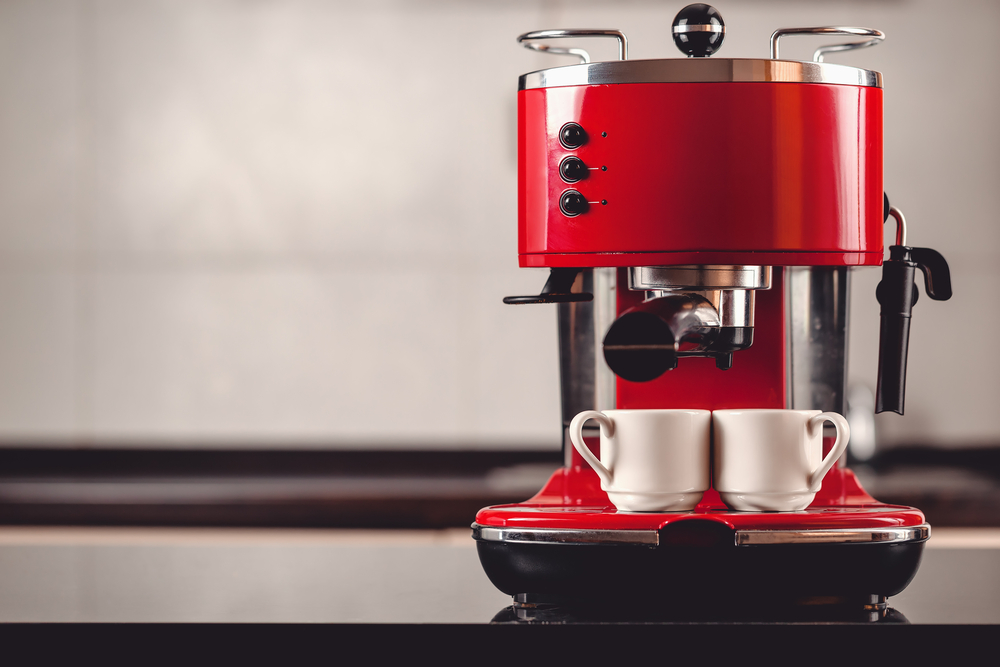
Espresso is brewed by forcing water at 9 bars of pressure through a tightly packed puck of finely ground coffee in 25-30 seconds. The result is a small, concentrated shot (30-40ml) with a thick crema on top. It is the base for lattes, flat whites, cappuccinos, and most cafe drinks.
Grind: Fine. Ratio: 1:2 (18g in, 36g out). Water temp: 90-96°C. Brew time: 25-30 seconds.
Tasting notes: Intense, syrupy, rich crema. Flavour depends heavily on bean origin and roast level.
For a full espresso guide, see: What Is Espresso? How to Make Espresso.
Moka Pot (Stovetop Espresso)

The Moka pot uses steam pressure to push water from a bottom chamber through a basket of coffee grounds into an upper chamber. It produces a bold, strong coffee that is not quite espresso but significantly stronger than filter coffee. It is portable, affordable, and produces a consistent result.
Grind: Fine-medium. Ratio: Fill basket fully, water to just below safety valve. Brew time: 5-7 minutes on low-medium heat.
Tasting notes: Bold, slightly bitter, full-bodied. Works well as a latte or flat white base.
For a full Moka pot guide, see: How to Brew Moka Pot Coffee.
AeroPress

The AeroPress is one of the most versatile and forgiving brewers available. It uses a combination of immersion and pressure to produce a clean, smooth cup in under two minutes. It is lightweight, portable, and nearly indestructible, making it the ideal travel brewer. The AeroPress World Championship has produced hundreds of different recipes, demonstrating how adaptable it is.
Grind: Medium-fine (adjust to taste). Ratio: 1:10 for concentrate, 1:16 for standard. Water temp: 80-96°C. Brew time: 1-2 minutes.
Tasting notes: Clean, smooth, low bitterness. Highly customisable.
Immersion Brewing
Immersion brewing steeps coffee grounds directly in water for a set period before separating them. It is the most forgiving brewing category and produces a full-bodied, rich result.
French Press

The French press is the most popular immersion brewer. Coarsely ground coffee steeps in hot water for 4 minutes, then a metal mesh plunger is pressed down to separate the grounds. Because no paper filter is used, the natural oils from the coffee remain in the cup, giving French press coffee its characteristic richness and body.
Grind: Coarse. Ratio: 1:15. Water temp: 90-96°C. Brew time: 4 minutes. Decant immediately after pressing.
Tasting notes: Full-bodied, rich, slightly oily. Chocolate and caramel notes shine in medium-dark roasts.
For a full French press guide, see: How to Make the Perfect French Press Coffee.
Siphon (Vacuum Pot)

The siphon uses vapour pressure and vacuum to move water between two chambers, producing a theatrically brewed cup that is clean, full-bodied, and complex. It is not a daily driver for most people, but the result is exceptional. Water is heated in the lower globe, rises into the upper chamber where it mixes with coffee grounds, then is drawn back down through a filter when the heat is removed.
Grind: Medium. Ratio: 1:15. Brew time: 6-10 minutes total.
Tasting notes: Clean, full-bodied, complex. Highlights origin character beautifully.
Cold Brew
Cold brew steeps coarsely ground coffee in cold water for 12-24 hours, producing a smooth, low-acid concentrate. It has up to 60% less acidity than hot-brewed coffee and keeps in the fridge for up to two weeks. It is the most convenient make-ahead brewing method.
Grind: Coarse. Ratio: 1:8 (concentrate). Water temp: Cold or room temperature. Brew time: 12-24 hours.
Tasting notes: Smooth, naturally sweet, low acid. Chocolate and caramel notes dominate.
For a full cold brew guide, see: Cold Brew Coffee: Everything You Need to Know.
Pour-Over Brewing
Pour-over brewing involves pouring hot water over coffee grounds held in a filter, allowing it to drip through by gravity. The paper filter removes oils and fine particles, producing a clean, bright, transparent cup that highlights the origin character of the bean. It is the preferred method for specialty coffee enthusiasts.
V60 (Hario)
The V60 is the most popular pour-over brewer in specialty coffee. Its conical shape and spiral ridges allow for precise control of flow rate and extraction. It rewards technique and produces an exceptionally clean, nuanced cup.
Grind: Medium-fine. Ratio: 1:16. Water temp: 92-96°C. Brew time: 3-4 minutes including a 30-second bloom.
Tasting notes: Clean, bright, complex. Best with light to medium roast single origins.
Chemex

The Chemex uses a thicker paper filter than the V60, which removes even more oils and produces an exceptionally clean, almost tea-like cup. It is also larger, making it ideal for brewing multiple cups at once. The Chemex is as much a design object as a brewer, and has been in the Museum of Modern Art's permanent collection since 1943.
Grind: Medium-coarse. Ratio: 1:15-1:17. Water temp: 90-96°C. Brew time: 4-5 minutes.
Tasting notes: Very clean, delicate, bright. Excellent for floral and fruity light roasts.
Kalita Wave
The Kalita Wave has a flat-bottomed dripper with three small holes, which slows the flow rate and produces a more even extraction than the V60. It is more forgiving for beginners and produces a slightly fuller-bodied cup than the V60 while retaining the clarity of pour-over.
Grind: Medium. Ratio: 1:15-1:16. Water temp: 90-96°C. Brew time: 3-4 minutes.
Tasting notes: Clean, balanced, slightly fuller than V60. Good for medium roasts.
Drip Coffee (Filter Machine)
Drip coffee machines automate the pour-over process. Hot water is pumped over a basket of grounds and drips through a paper filter into a carafe. The result is consistent and convenient, though it offers less control than manual pour-over. A good drip machine (one that reaches 90-96°C brew temperature) can produce excellent coffee with minimal effort.
Grind: Medium. Ratio: 1:15-1:17. Brew time: 5-8 minutes depending on batch size.
Tasting notes: Light-medium body, clean, consistent. Quality depends heavily on the machine's brew temperature.
Which Brewing Method Is Right for You?
For espresso and milk drinks: Espresso machine (best result) or Moka pot (budget-friendly alternative).
For rich, full-bodied black coffee: French press or siphon.
For clean, complex single origin coffee: V60, Chemex, or Kalita Wave pour-over.
For travel or versatility: AeroPress.
For low-acid, make-ahead coffee: Cold brew.
For convenience with good results: Quality drip machine.
The best method is the one you will use consistently. Start with what fits your lifestyle and equipment, then experiment from there. For guidance on grind sizes for each method, see: Coffee Grinders and Grind Sizes Explained.
Every brewing method starts with fresh beans.
Coffee Hero roasts specialty Arabica beans to order across all roast levels, delivered within days so every brew starts at peak freshness.
Shop Coffee BeansFrequently Asked Questions
What is the easiest coffee brewing method for beginners?
The French press is the most beginner-friendly method. It requires minimal equipment, is very forgiving with grind size and timing, and consistently produces a rich, full-bodied cup. The AeroPress is a close second for its versatility and speed.
Which brewing method makes the strongest coffee?
Espresso is the most concentrated, with the highest ratio of coffee to water (1:2). Cold brew concentrate is also very strong before dilution. French press and Moka pot produce a stronger result than pour-over or drip coffee.
Which brewing method has the least acidity?
Cold brew has the least acidity, with up to 60% less than hot-brewed coffee. French press and Moka pot are also lower in perceived acidity than pour-over methods, which tend to highlight bright, acidic notes.
What grind size should I use for each brewing method?
Extra-fine for Turkish coffee, fine for espresso, fine-medium for Moka pot, medium-fine for AeroPress and V60, medium for drip and Kalita Wave, medium-coarse for Chemex and siphon, and coarse for French press and cold brew. For a full breakdown, see our Coffee Grinders and Grind Sizes Explained guide.
Is pour-over better than French press?
Neither is objectively better. Pour-over produces a cleaner, brighter cup that highlights origin character. French press produces a fuller-bodied, richer cup with more texture. The best choice depends on your taste preference and the beans you are using.
Can I use the same beans for all brewing methods?
Yes, though some beans suit certain methods better. Light roast single origins shine in pour-over. Medium to dark roasts work best in espresso and French press. A medium roast is the most versatile across all methods.
Related Reads
Coffee Grinders and Grind Sizes Explained - Match your grind size to your brewing method for the best possible extraction.
Light vs Medium vs Dark Roast: What's the Difference? - Understand which roast level works best with each brewing method.
Coffee Brewing Mistakes and How to Fix Them - Diagnose and fix the most common problems across every brewing method.