
Coffee Blends: A Complete Guide to What They Are and How to Choose One
Coffee Blends: A Complete Guide to What They Are and How to Choose One
Walk into any specialty roaster and you will find two types of coffee: single origin and blends. Single origin coffees showcase the unique character of one place. Blends combine beans from multiple origins to create something greater than the sum of their parts. Neither is better. They serve different purposes and suit different preferences.
This guide explains what coffee blends are, why roasters create them, how they compare to single origin coffee, what to look for when buying a blend, and how to create your own at home.

In This Guide
What Is a Coffee Blend?
A coffee blend is a mixture of two or more coffees from different origins, regions, or processing methods. The goal is to combine the best qualities of each component to create a cup that is more balanced, consistent, and complex than any single origin could achieve on its own.
Blends can combine coffees from different countries (Ethiopia and Brazil, for example) or from different regions within the same country (Ethiopia Yirgacheffe and Ethiopia Guji). The roaster controls the ratio of each component and may roast each origin separately before blending, or blend the green beans and roast them together.
Why Do Roasters Create Blends?
Consistency: Single origin coffees change with each harvest. A blend allows a roaster to maintain a consistent flavour profile year-round by adjusting the component ratios as seasonal lots change. This is why most cafe house blends taste the same every time you order them.
Balance: No single origin is perfect for every purpose. A Brazilian coffee might have excellent body and sweetness but lack brightness. An Ethiopian coffee might have beautiful floral acidity but thin body. Blending them creates a cup with both qualities.
Espresso performance: Most espresso blends are designed specifically for milk-based drinks. The blend needs to hold up under pressure, produce good crema, and remain flavourful when diluted with steamed milk. This is difficult to achieve with a single origin alone.
Creativity: Blending is a craft. Skilled roasters spend significant time cupping and adjusting ratios to achieve a specific flavour target. A well-designed blend is as much a creative achievement as a well-roasted single origin.
Blends vs Single Origin: Key Differences
| Feature | Coffee Blend | Single Origin |
|---|---|---|
| Source | Multiple origins | One farm, region, or country |
| Consistency | Year-round consistency | Varies by harvest season |
| Traceability | Multiple sources | Fully traceable to one source |
| Flavour | Balanced, designed profile | Distinctive, terroir-driven |
| Best for | Espresso, milk drinks, daily drinkers | Pour-over, black coffee, exploration |
| Price | Generally more affordable | Can be premium for rare lots |
For a deeper look at single origin coffee, see: What Is Single Origin Coffee?.
Popular Blend Combinations and Their Flavours
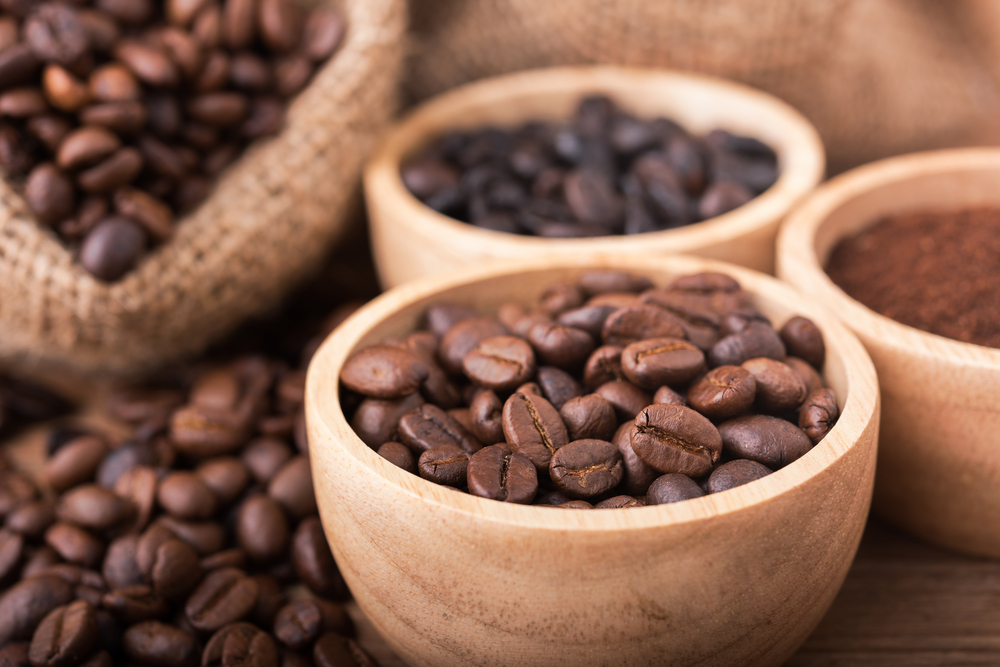
Ethiopian natural + Brazilian washed: The fruity, wine-like character of the Ethiopian natural combines with the smooth, nutty sweetness of the Brazilian to produce a chocolatey, citric blend with excellent body. A classic espresso blend combination.
Guatemalan + Kenyan: The full body and cocoa notes of Guatemalan coffee pair with the bright, berry-forward acidity of Kenyan to produce a complex, well-rounded cup with both sweetness and brightness.
Colombian + Brazilian: Two of the most popular blend components. Colombian adds caramel sweetness and medium acidity. Brazilian adds body, nuttiness, and low acidity. Together they produce a smooth, approachable, crowd-pleasing blend ideal for milk drinks.
Ethiopian + Sumatran: An unusual but effective pairing. The exotic floral and fruit notes of Ethiopian coffee contrast with the earthy, spicy, full-bodied Sumatran to produce a low-acid blend with a complex contrast between fruity and earthy notes.
Guatemalan + Kenyan + Mexican: A three-origin blend where Guatemalan provides body and chocolate, Kenyan provides bright floral acidity, and Mexican adds earthy sweetness. The result is a well-rounded, complex cup with multiple layers of flavour.
How to Choose a Coffee Blend
Know your brew method: Espresso blends are designed for pressure brewing and milk drinks. Filter blends are designed for pour-over or drip. Using an espresso blend in a pour-over will often produce a flat, heavy result. Check the roaster's recommended brew method.
Check the roast date: Coffee blends taste best within 1-4 weeks of roasting. Always buy from a roaster who prints the roast date on the bag. Avoid any bag without a roast date. For storage tips, see: Best Way to Store Coffee Beans.
Buy whole beans: Ground coffee loses most of its flavour within 30 minutes of grinding. Always buy whole bean and grind immediately before brewing for the best result.
Read the flavour notes: A good roaster will describe the flavour profile of their blend. Look for notes that match your preference: chocolate and caramel for a classic espresso blend, fruit and floral for a lighter filter blend.
Consider the roast level: Medium roast blends are the most versatile. Dark roast blends suit espresso and milk drinks. Light roast blends are less common but work well as filter coffee. For a full guide to roast levels, see: Light vs Medium vs Dark Roast Coffee: What's the Difference?.
How to Create Your Own Blend at Home
Creating a home blend is a rewarding experiment. The process is simple: buy two or three single origin coffees, brew them separately, then mix the brewed coffee in different ratios until you find a combination you love. Once you have a ratio you like, mix the whole beans in the same ratio and grind together.
A simple starting framework:
Base (40-60%): A smooth, full-bodied coffee that provides the foundation. Brazilian or Colombian work well. These add body, sweetness, and low acidity.
Mid palate (20-40%): A coffee that adds complexity and flavour character. Guatemalan or Colombian add caramel and chocolate. Ethiopian adds fruit and floral notes.
High notes (10-20%): A coffee that adds brightness and acidity. Ethiopian or Kenyan work well here. Use sparingly as these can dominate.
Example starting ratio: 50% Brazilian + 30% Colombian + 20% Ethiopian. Brew, taste, adjust. Keep notes of every ratio you try.

What you need: 2-3 single origin coffees, burr grinder, kitchen scale, your preferred brew method, and a notebook to record ratios.
Keep blends to a maximum of 4-5 origins. Beyond that, the individual characters cancel each other out and the result becomes muddy rather than complex.
Explore Coffee Hero's freshly roasted blends.
Our blends are crafted to highlight the best qualities of each origin and roasted to order for maximum freshness.
Shop Coffee BlendsFrequently Asked Questions
What is the difference between a coffee blend and single origin?
A coffee blend combines beans from two or more origins to create a consistent, balanced flavour profile. Single origin coffee comes from one farm, region, or country and showcases the unique character of that specific place. Blends prioritise consistency and balance; single origins prioritise traceability and terroir.
Are coffee blends lower quality than single origin?
No. A well-crafted specialty blend using high-quality components is just as good as a single origin. The quality depends on the beans used and the skill of the roaster, not whether it is a blend or single origin. Many of the world's most celebrated espresso coffees are blends.
Why do most cafes use blends for espresso?
Blends offer year-round consistency, which is essential for a cafe that needs to produce the same result every day. They are also designed to perform well under espresso pressure and hold up in milk-based drinks, which is harder to achieve with many single origins.
How many origins should a coffee blend have?
Most specialty blends use 2-4 origins. Beyond 4-5 origins, the individual characters tend to cancel each other out and the result becomes muddy rather than complex. The best blends are usually simple: two or three well-chosen origins in a carefully considered ratio.
Can I blend coffee at home?
Yes. Buy two or three single origin coffees, brew them separately, then mix the brewed coffee in different ratios until you find a combination you enjoy. Once you have a ratio you like, mix the whole beans in the same ratio and grind together before brewing.
What is the best coffee blend for espresso?
A classic espresso blend typically combines a full-bodied, low-acid base (Brazilian or Colombian) with a brighter, more complex component (Ethiopian or Guatemalan). The base provides body and sweetness; the secondary origin adds complexity and crema. A 60:40 or 70:30 ratio is a common starting point.
Related Reads
What Is Single Origin Coffee? - Understand the alternative to blends and when single origin is the better choice.
Light vs Medium vs Dark Roast Coffee: What's the Difference? - Choose the right roast level for your blend and brewing method.
Best Way to Store Coffee Beans - Keep your blend fresh from roast date to last cup.